


Lars Wik, a consultant anaesthesiologist at Oslo University Hospital, has developed a new mechanical cardiopulmonary resuscitation system designed for use in children and adults of all sizes. Inven2 has signed an agreement with an international medical device company that plans to incorporate the system into its own products.
Every second counts in cardiac arrest. Prompt, effective cardiopulmonary resuscitation (CPR) is critical to saving lives. Mechanical CPR devices can deliver consistent chest compressions over extended periods, including during transport to hospital. However, existing devices have important limitations. They cannot be used in children under eight or in very small or very large adults. The piston that presses against the chest can also shift during treatment. If positioned incorrectly, it can make treatment less effective and, in the worst case, injure the patient.
Lars Wik set out to address these limitations.
He developed LARS, which stands for Longitudinal Adjustable Resuscitation System. The system is designed to make mechanical CPR simpler, safer and more effective.
Designed for patients aged two and up
A key feature of LARS is that it is designed for use in patients aged two and up, regardless of body size.
The piston slides along the stretcher until it is correctly positioned over the patient’s chest. Once in position, it stays in place during compressions.
The patient is secured to the stretcher so that mechanical chest compressions can continue uninterrupted during evacuation and ambulance transport to hospital and, where appropriate, on the way to advanced treatment such as PCI or ECMO. Percutaneous coronary intervention (PCI) is a procedure used to open narrowed or blocked coronary arteries. Extracorporeal membrane oxygenation (ECMO) uses a machine to temporarily support the function of the heart and lungs.
A patent application has been filed for LARS, and Inven2 has signed an agreement with an international medical device company. The company plans to combine LARS with its existing mechanical CPR technology.
The agreement is an important step towards making the innovation from OUS available to patients worldwide.
A career dedicated to improving patient care
For Lars Wik, innovation is about improving patient care.
Throughout his career, he has combined research and innovation with clinical work in emergency medicine, cardiac care and prehospital medicine.
He regularly works in situations where prompt treatment and reliable equipment can mean the difference between life and death.
His clinical experience has inspired many ideas for improving treatment. Several have been piloted, tested in patient studies and developed further with industry partners.
“What guides me as an inventor is the goal of finding new ideas and seeing them through to products or methods that help us care for patients and improve their chances of survival. It matters that our employer encourages this work and that Inven2 can help us achieve that goal. My advice is to think creatively and get in touch with Inven2. It’s rewarding to know you can help shape the future of a field that matters to society,” says Wik.
LARS is far from Wik’s first invention.
Keeping the chest stable during CPR
One of Wik’s earlier inventions supports the chest on both sides during CPR.
Inflatable pads keep the patient from moving sideways during compressions. The pressure in the pads can be adjusted and applied continuously or at intervals. The aim is to transfer more of the force of each compression to the chest and improve blood flow.
The technology has been licensed to Physio-Control, now part of Stryker.
Timing breaths during mechanical CPR
Wik has also developed technology designed to deliver breaths at the right time during mechanical CPR.
During conventional CPR, it can be difficult to coordinate breaths with chest compressions. A breath delivered at the wrong moment can affect treatment.
The technology measures electrical changes in the chest and uses those measurements to trigger a ventilator to deliver one breath after every eight to ten chest compressions.
This keeps breaths from coinciding with compressions, helping ventilation and circulation work together more effectively and reducing the risk of injury.
The technology has been licensed to Stryker.
Cooling patients rapidly
Another of Wik’s inventions is a system for rapid cooling and therapeutic hypothermia. It is designed for use when cooling is clinically indicated, for example in patients who have experienced cardiac arrest, a heart attack or a stroke.
The system consists of a flexible membrane that conforms to the body and can hold cold liquid, ice packs or ice cubes. It can also be connected to a pump that circulates cold liquid.
The membrane is designed to stay in place over areas such as the neck, armpits and groin, where targeted cooling can be particularly important.
The technology has been licensed to Snøgg.
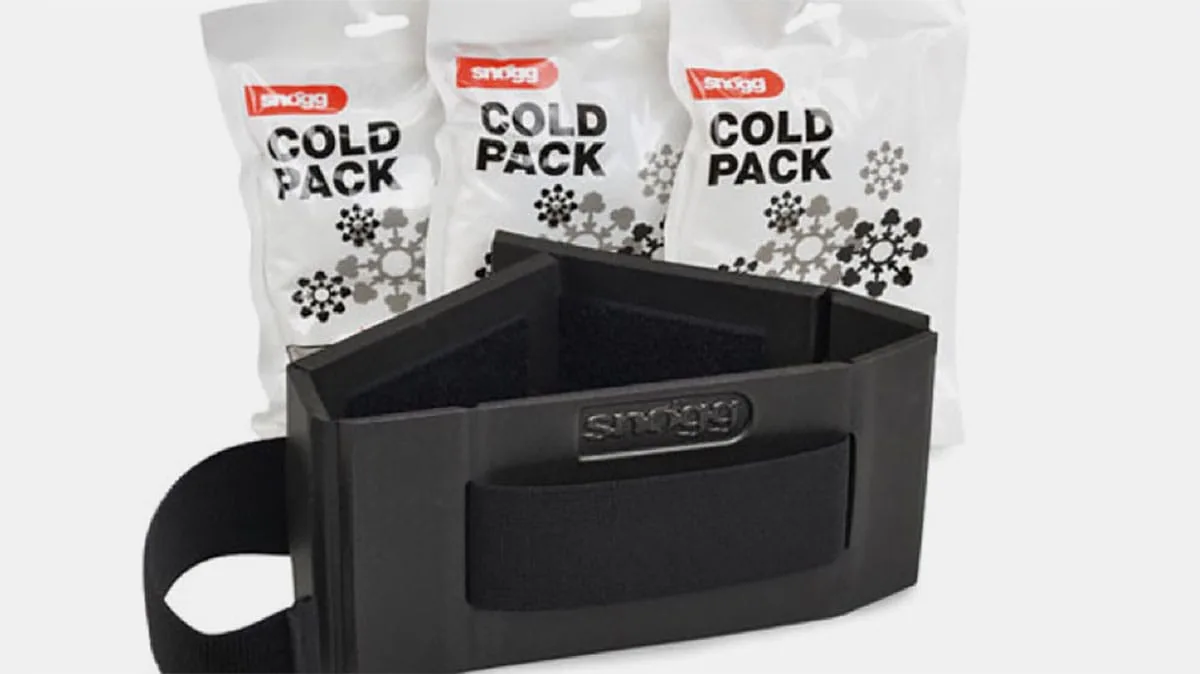
The technology for rapid cooling and therapeutic hypothermia has been licensed to Snøgg. Photo: Snøgg.
Checking that a breathing tube is in the airway
During CPR or general anaesthesia, patients often need to be intubated, which involves placing a breathing tube in the windpipe. If the tube enters the oesophagus by mistake, oxygen cannot reach the lungs through the tube, and the patient may suffer serious harm. The tube can also shift during transport, and the clinical team may only notice when it is too late. Common checks, such as listening for breath sounds with a stethoscope, can be difficult in noisy, stressful conditions. Wik developed a method that uses two electrodes on the chest to measure electrical impedance. When the tube is in the windpipe and the lungs fill with air, the impedance changes immediately. If the tube is in the oesophagus, there is no corresponding change. The device is designed to give the clinical team a clear indication of whether the tube is correctly positioned. It can also be built into standard defibrillators.
The technology has been patented and licensed to ZOLL Medical.
Watch Lars Wik explain this and several of his other inventions.
Measuring blood pressure without a cuff
Wik has also contributed to a new way of monitoring heart function and blood pressure without conventional measuring equipment.
Blood pressure is usually measured with a cuff around the upper arm. Using a cuff can be difficult in an ambulance or when a patient needs continuous monitoring.
Wik has played a central role in testing sensors that detect the tiny movements the body makes as the heart pumps blood.
These sensors can provide information about the patient’s pulse, blood pressure and breathing, as well as how well the heart is pumping.
Built into an ambulance stretcher, the sensors can take readings through the mattress. This gives the clinical team continuous, automatic measurements without having to attach monitoring equipment to the patient.
The work helped establish the Swedish start-up Omsyn AB.
Inven2 Innovation Award
Over the course of his career,
Wik has contributed to 18 invention disclosures (DOFIs) and four patent applications.
In 2024, he received the Inven2 Innovation Award for the LARS project. See video from the annoncement.
Through licensing agreements and collaboration with industry partners, research and ideas from OUS have been developed into products that benefit patients. The new agreement for LARS is the latest milestone in Wik’s work as an inventor.
Halvard Grønlien, who heads Inven2’s innovation department, hopes more researchers and clinicians will follow Wik’s example.
“We need more researchers and clinicians like Lars Wik who see opportunities to improve patient care and work to put their ideas into practice. Working with industry is often essential to turning a hospital invention into a product that can help patients around the world,” says Grønlien.
Inven2 is proud to work with Lars Wik and to help turn inventions from Norwegian hospitals into medical technologies with international potential.
The aim is for more patients to benefit from the work of researchers and clinical teams at hospitals across Norway’s South-Eastern Health Region.
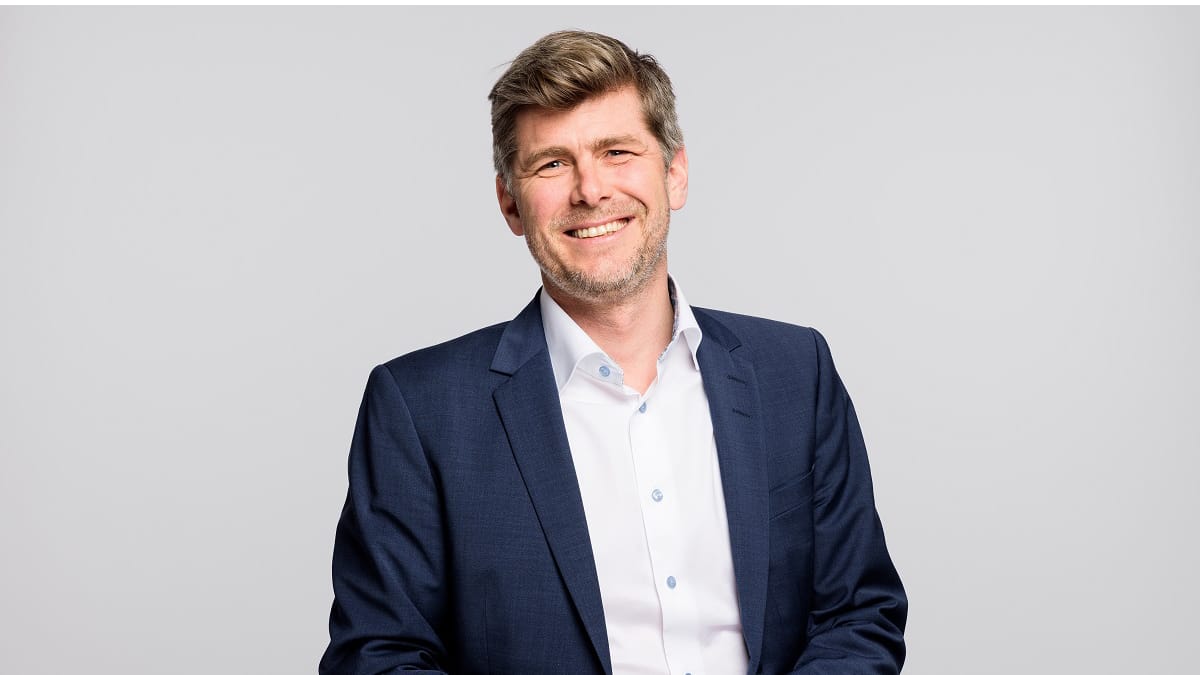
Halvard Grønlien heads Inven2’s innovation department. Photo: Inven2.